The Canopy Table
For my senior capstone project, I sought to solve the question: How can landscape-integrated furniture design encourage work and productivity in Audubon Park, New Orleans?
Outdoor furniture is almost exclusively designed for passive use: eating, resting, and socializing. The vast majority of park furniture lack the ergonomic support, surface area, and intentional design needed to encourage focused work. Standard benches lack the surface area for computers or notebooks, and picnic tables are often oriented toward groups rather than individual focus.
Biophilia describes the biological human need to connect with nature. Research published in the Journal of Environmental Psychology found that spending time in nature significantly improves mood and energy while lowering cortisol levels, heart rate, and blood pressure. Applying biophilic design principles to productivity-oriented furniture alleviates stress, enhances creativity, and increases concentration.
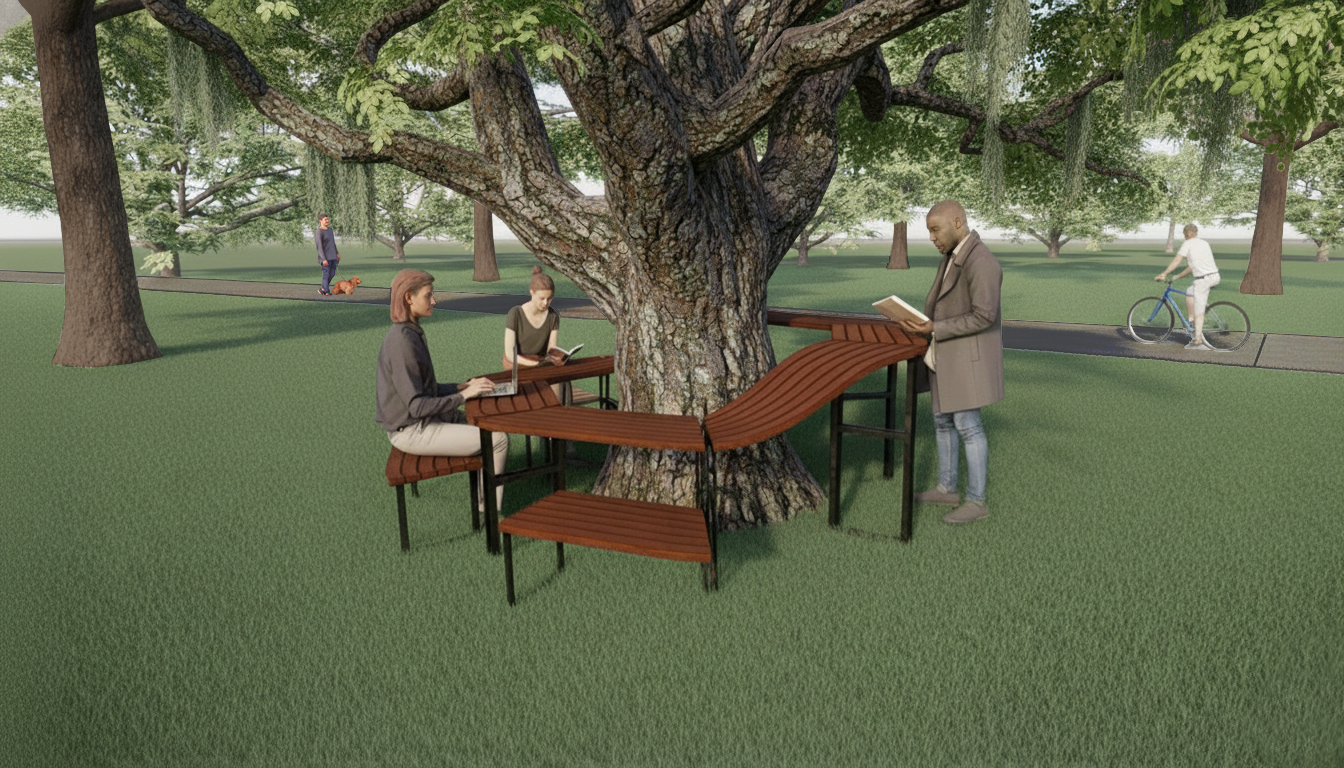
Render of The Canopy Table as envisioned in Audubon Park
The Canopy Table caters to college students, remote workers, and anyone seeking a productive and peaceful outdoor space. Three sides accommodate seated work, two provide standing height surfaces, and two steam-bent curved sections separate the varied methods of use. The table is centered around a mature live oak tree, which divides the space while serving as a natural backdrop for focused work.
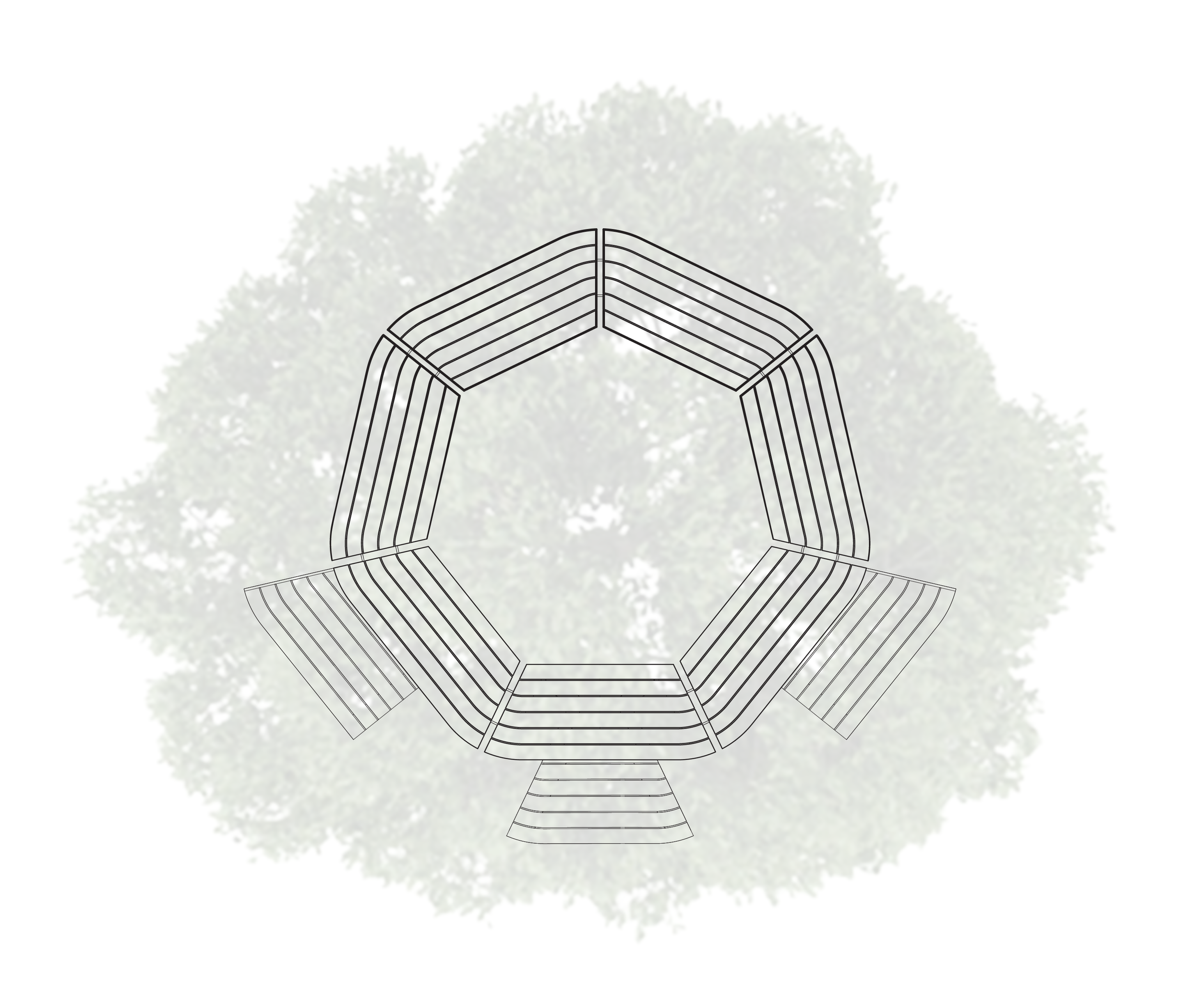
Plan view
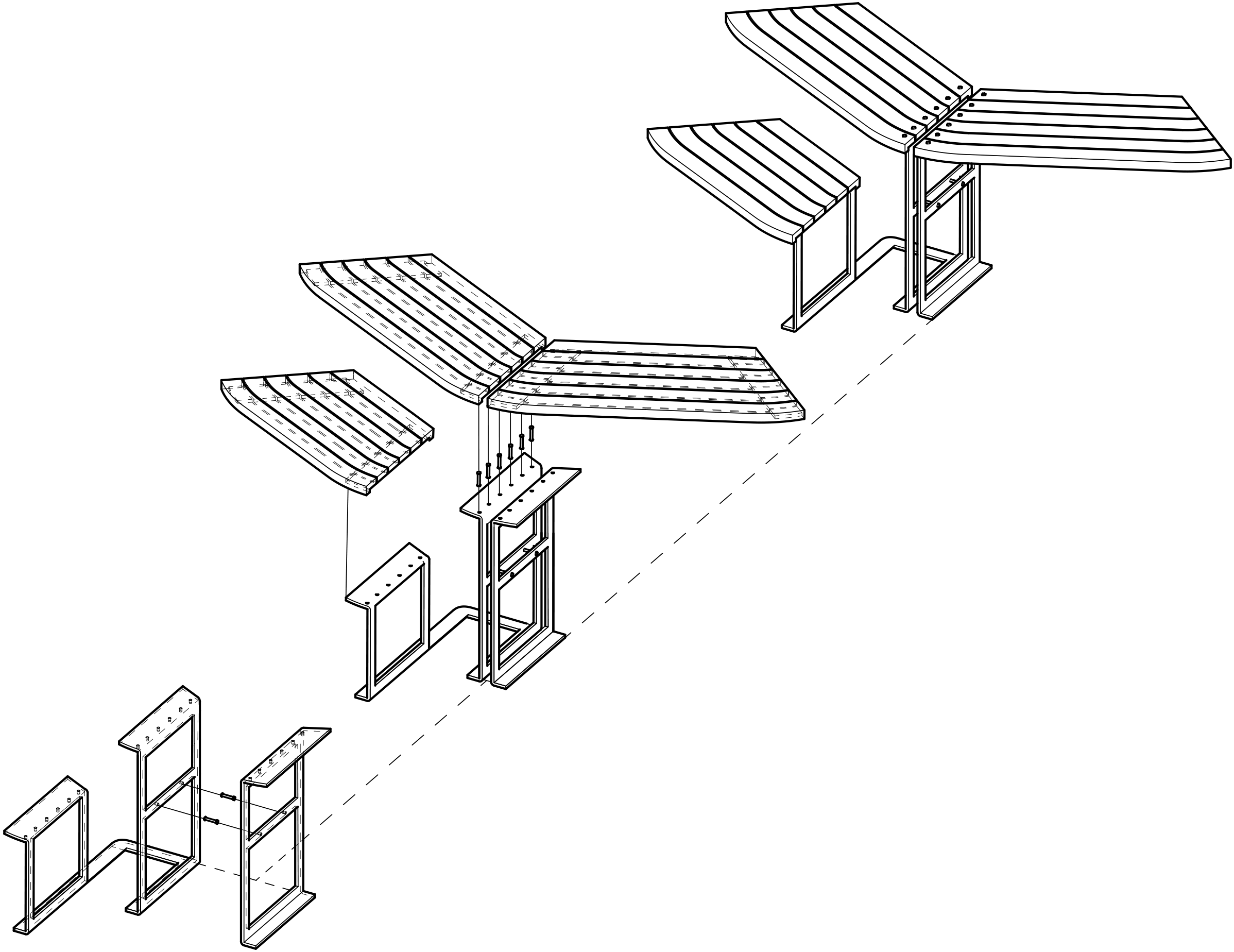
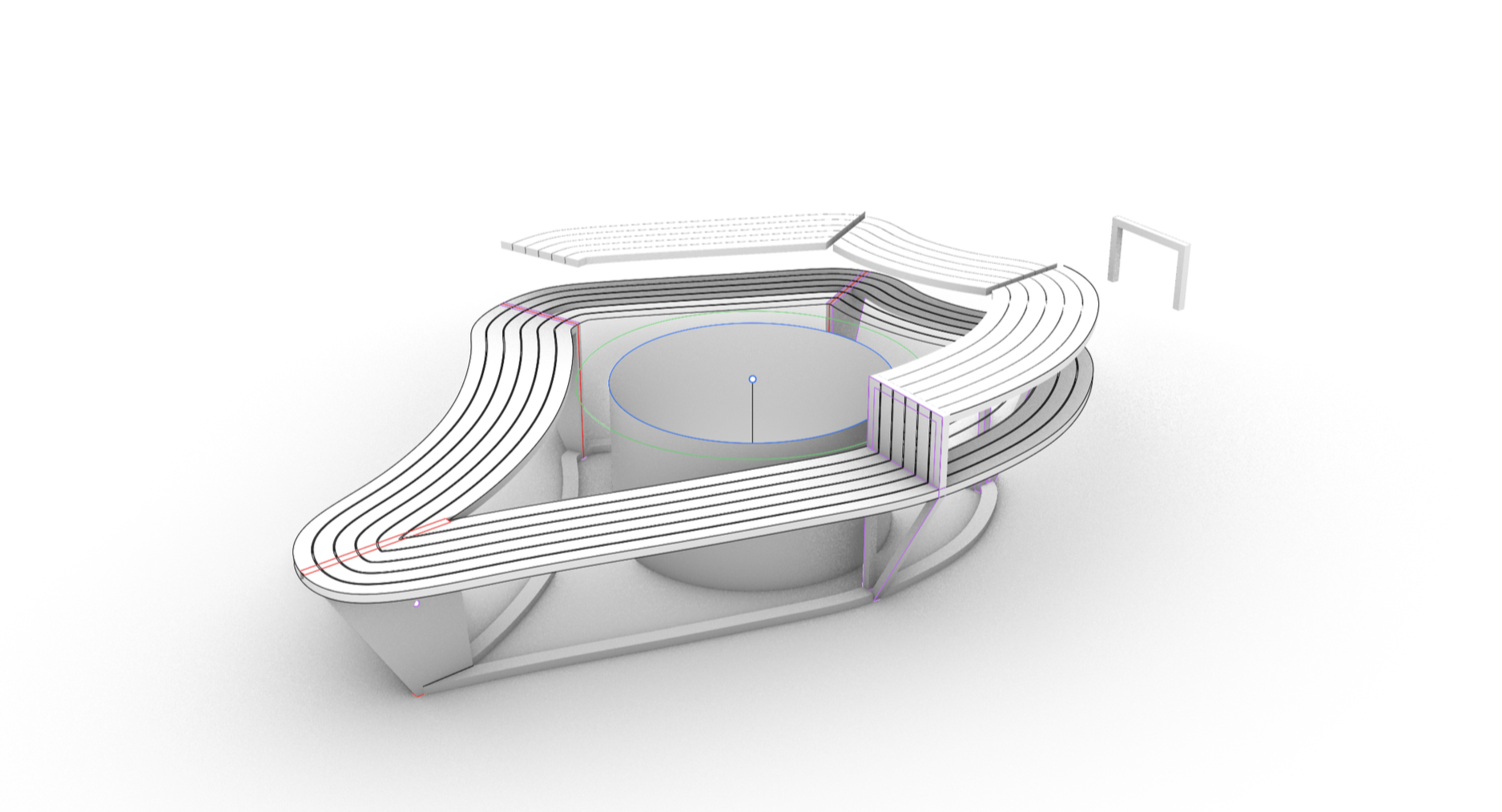
Exploded axonometric
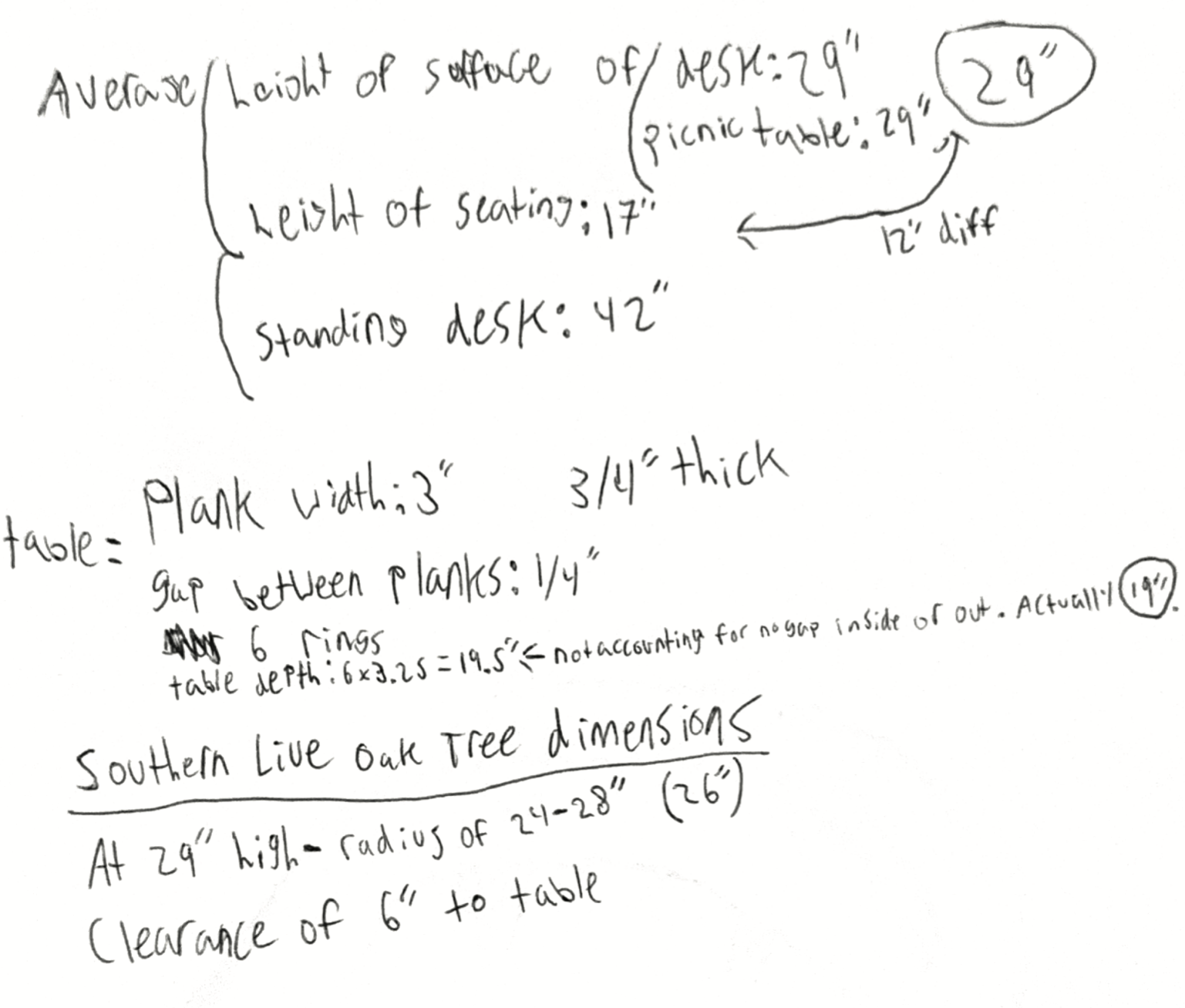
Each of The Canopy Table’s seven sections offer nearly 4’ of table surface and 20” of depth. They are made of six heat-treated ash planks, 3" wide and 1.5" thick, with 1/4" gaps for water drainage. The structure is supported by 1/2" steel legs fastened with carriage bolts.
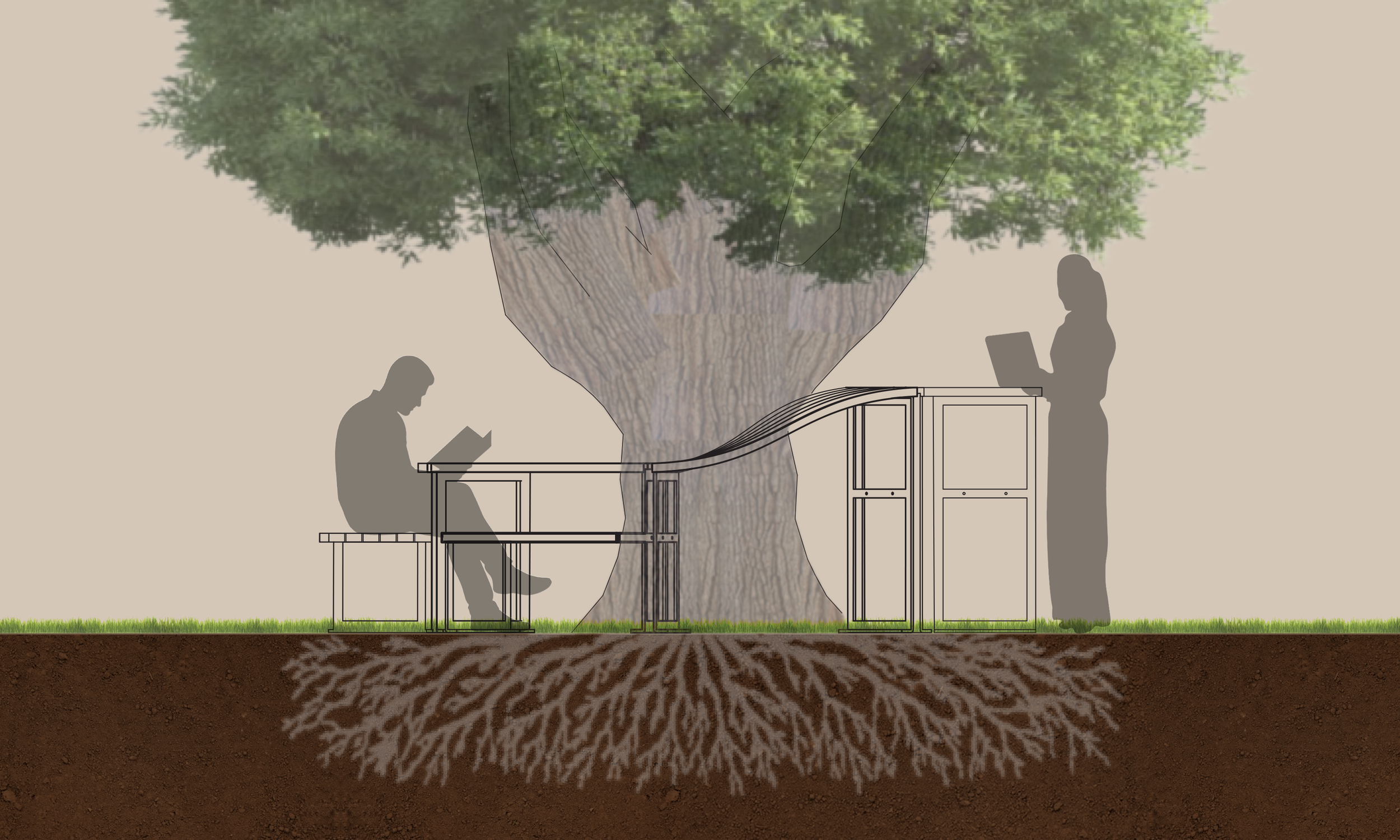
This elevation drawing explores the relationship between the table, its users, and the landscape. Seated and standing users occupy the structure at different heights, while the root system illustrates how the substructure sits on the ground without fastening into it, preserving the health of the tree and its roots.
Side elevation
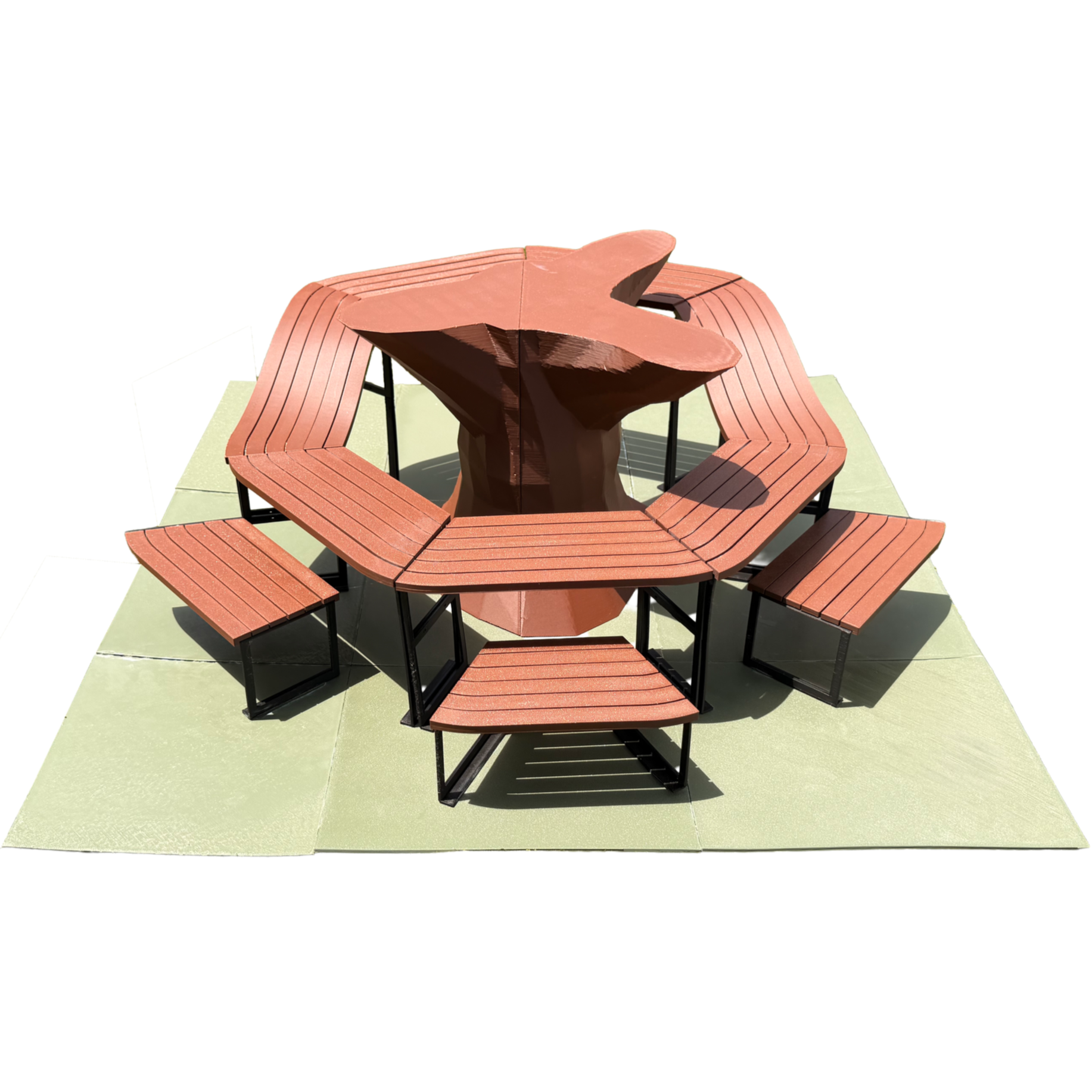
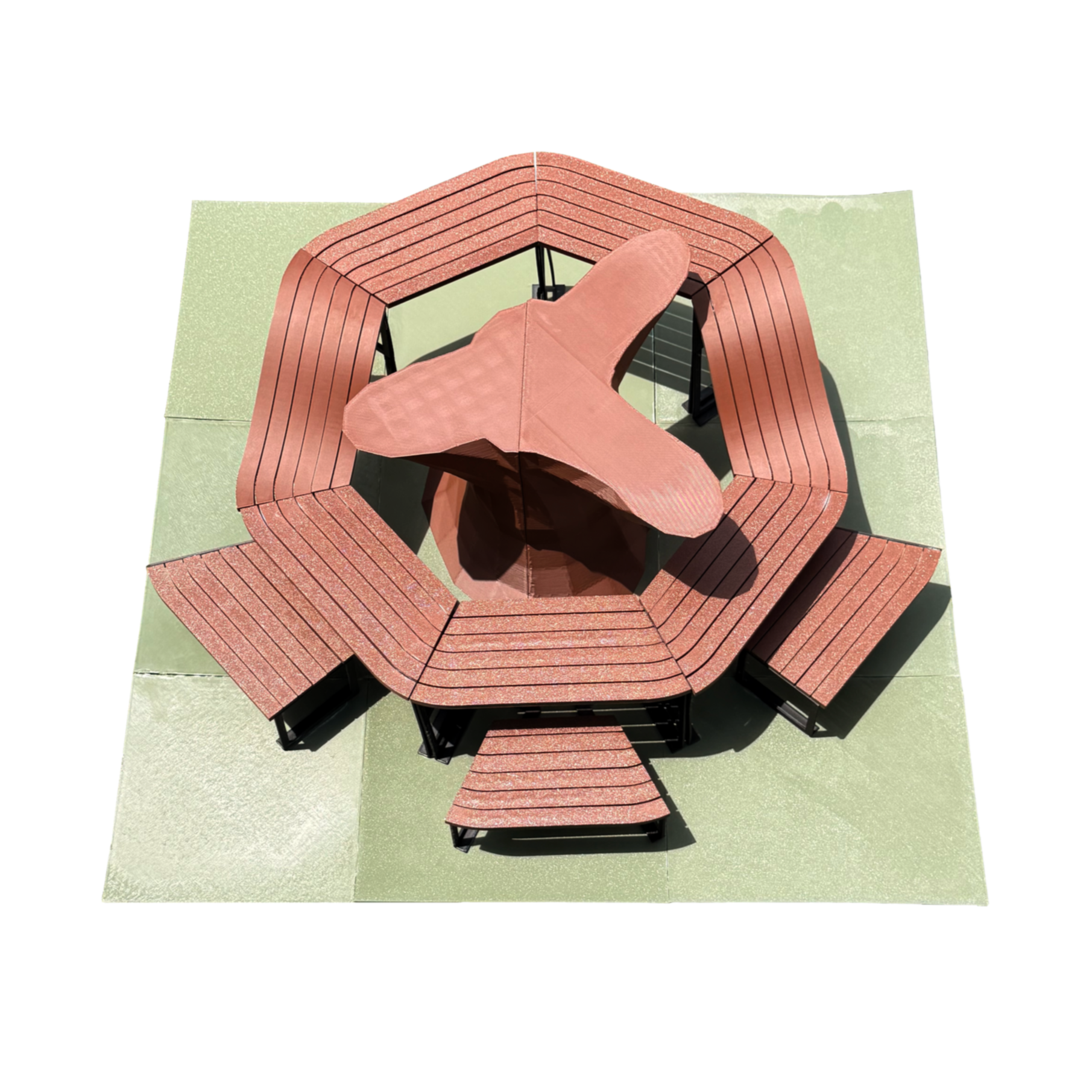
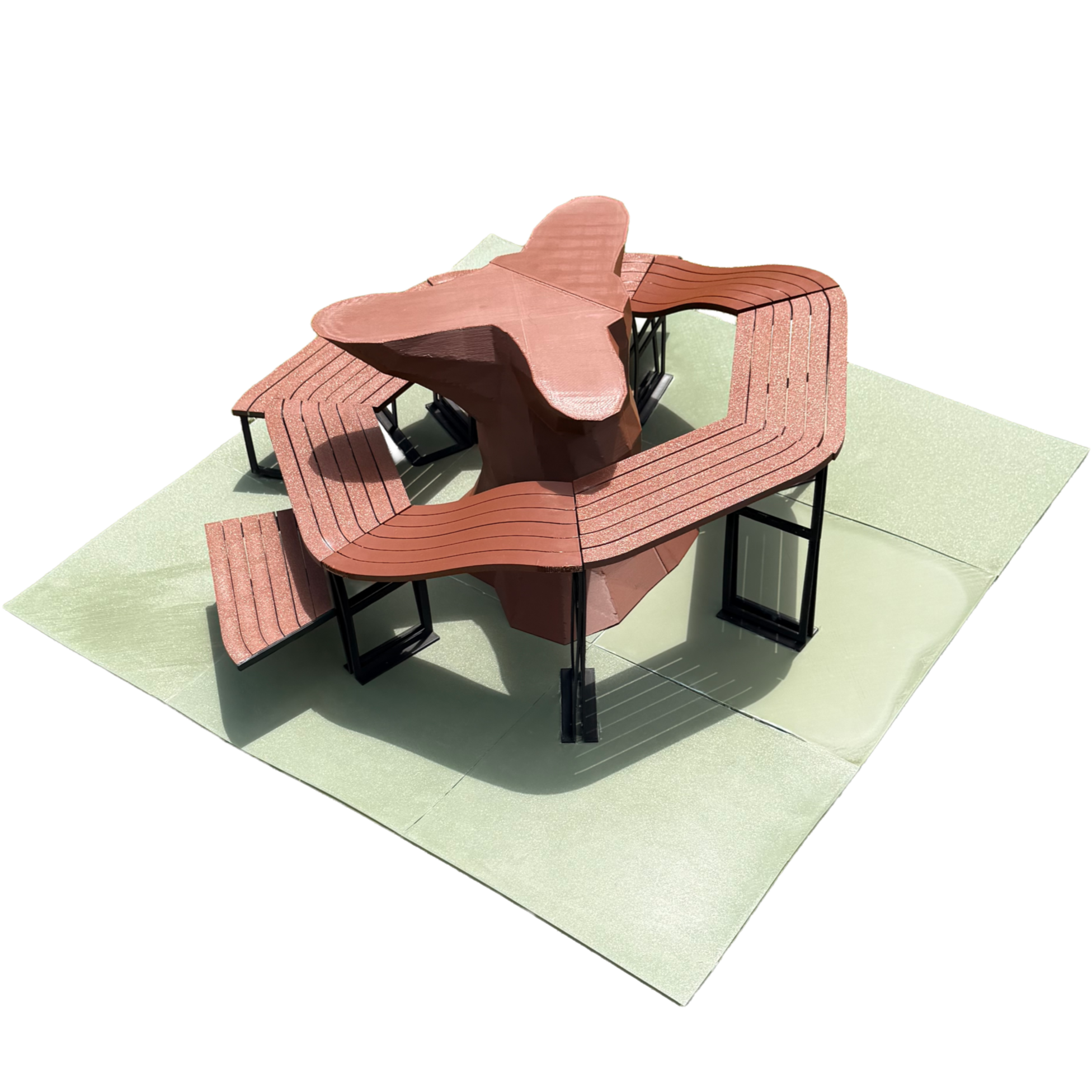
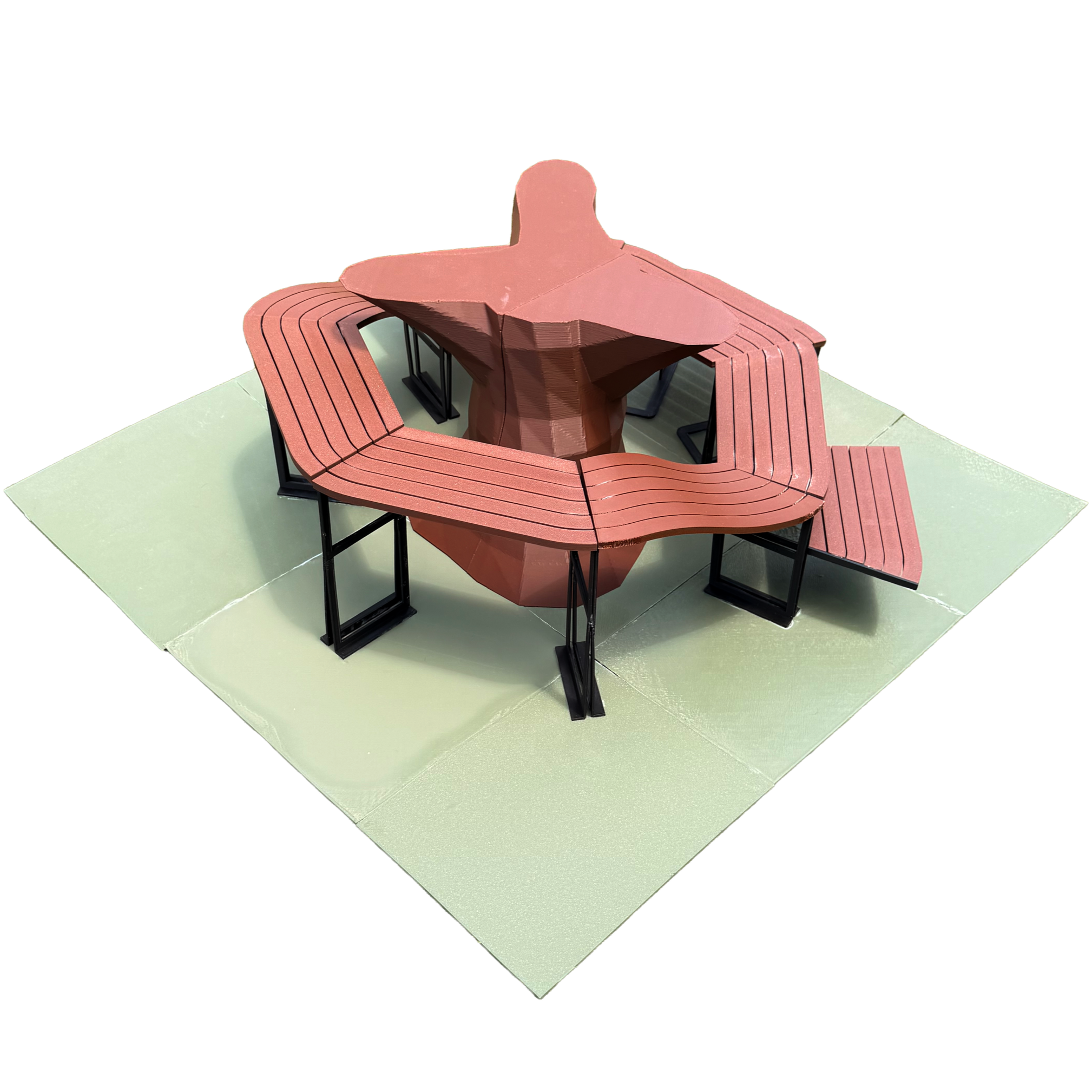
1:6 scale 3D printed scale model of The Canopy Table
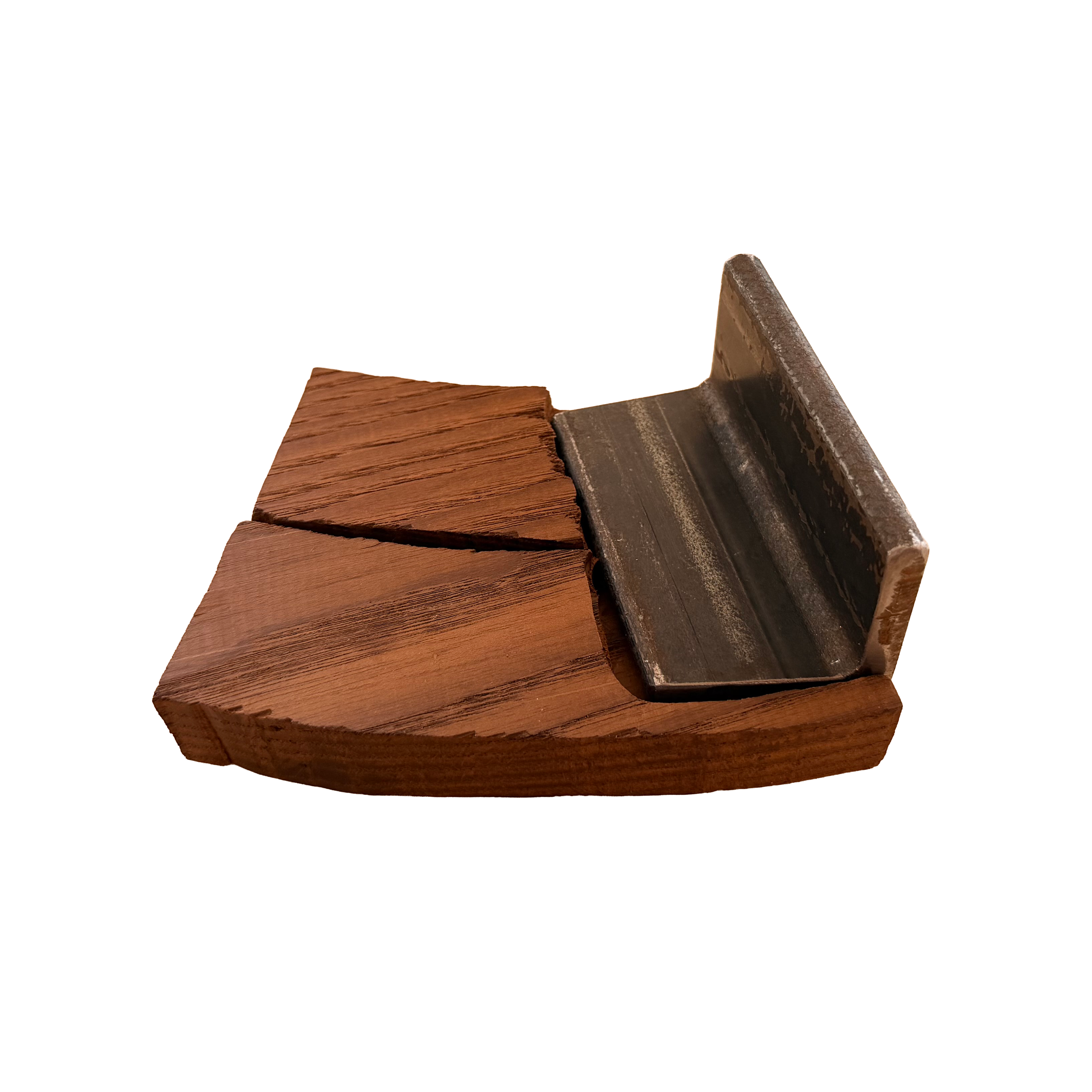
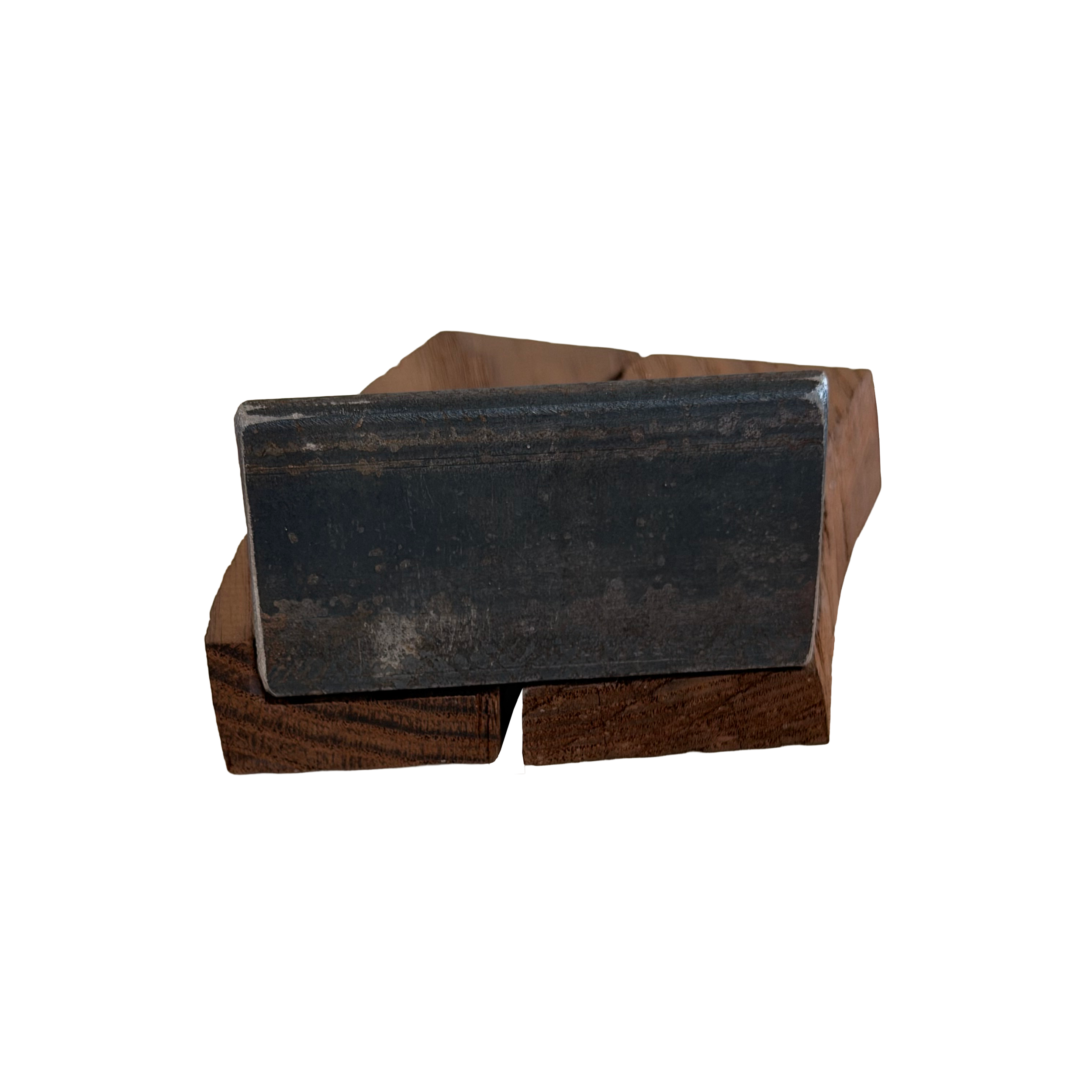
1:2 scale detail piece displaying the connection between the table’s surface and substructure using heat treated ash and a steel angle metal stock.
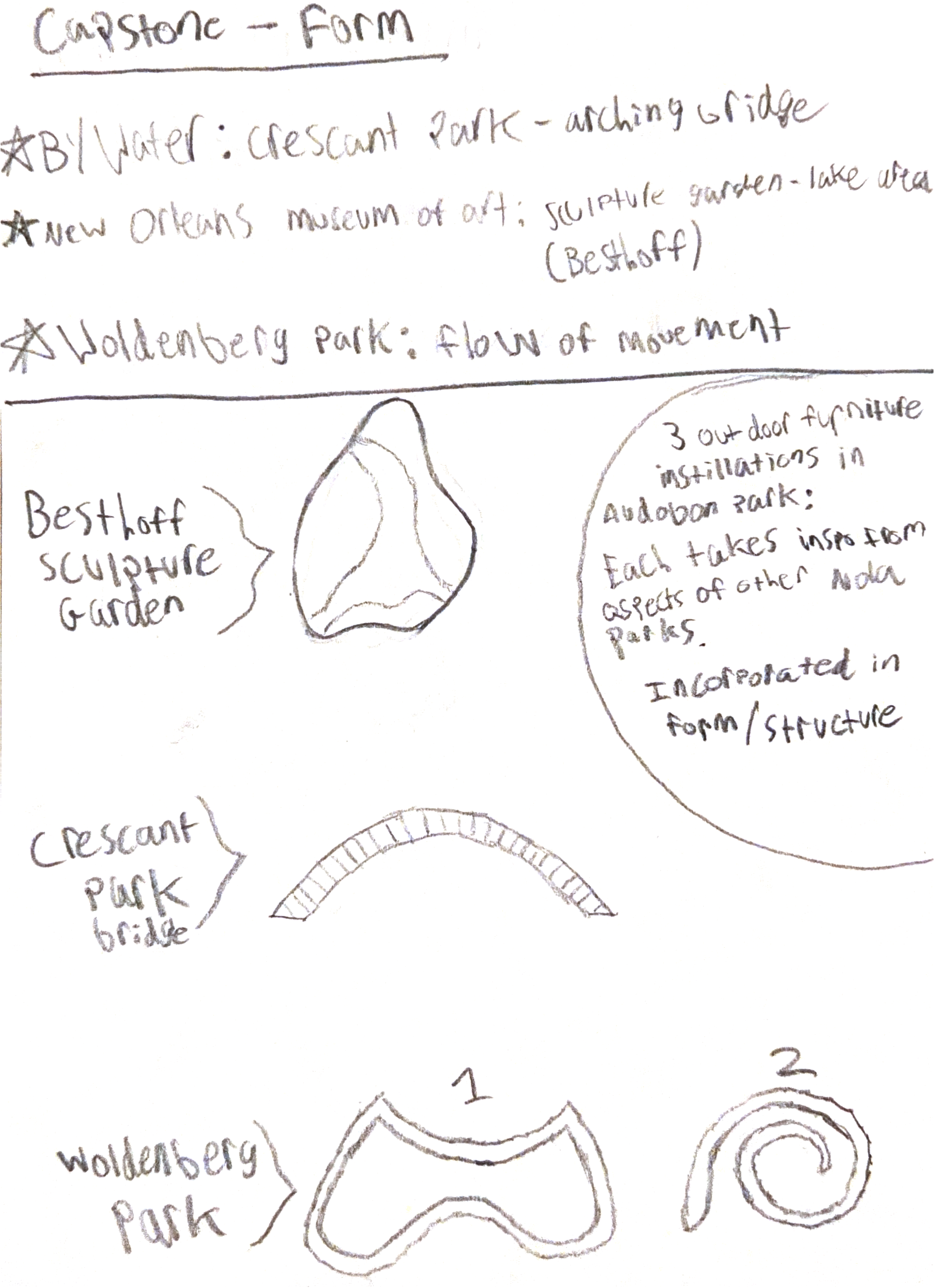
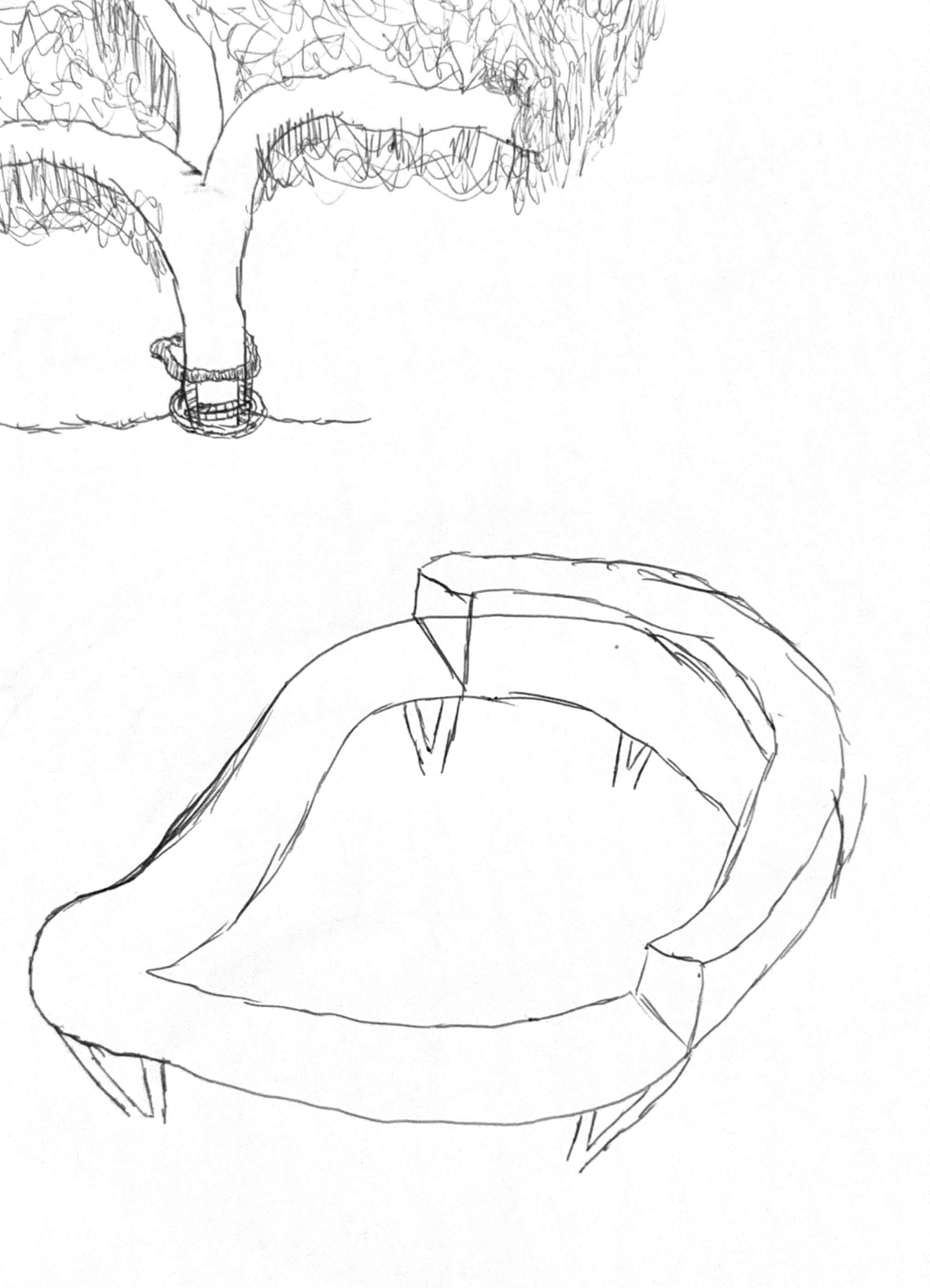
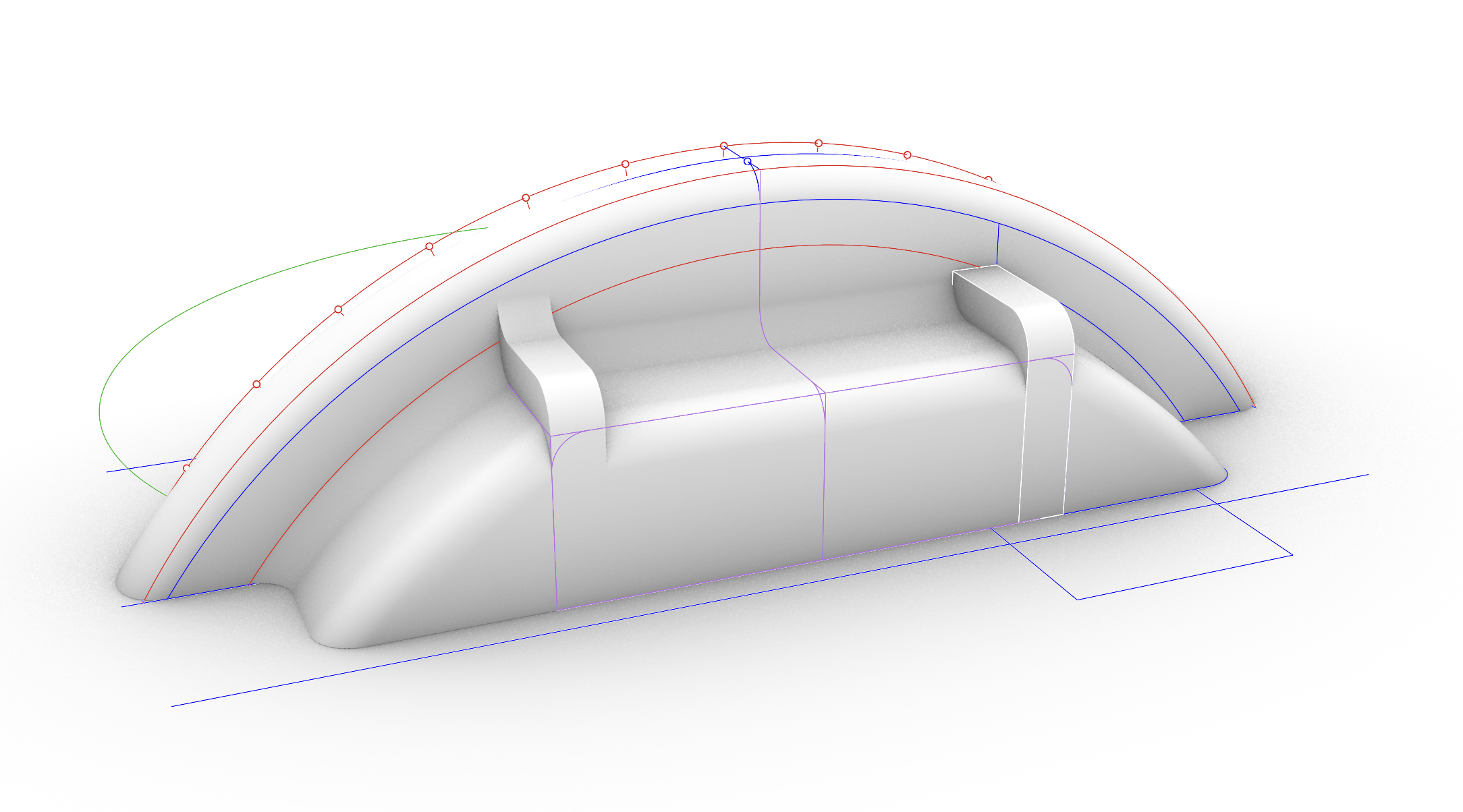
Process Work
Works Cited
Kohll, Alan. "5 Data-Backed Ways Working Outdoors Can Improve Employee Well-Being."
Forbes, 25 June 2018, www.forbes.com/sites/alankohll/2018/06/25/5-data-backed-ways-
working-outdoors-can-improve-employee-well-being/.
"Understanding the Connection Between Posture and Productivity at Work." Nebraska Family
Chiropractic, nebfamilychiro.com/understanding-the-connection-between-posture-and-
productivity-at-work/.
"Are Office Stools Better for Posture?" Ace Office Systems,
aceofficesystems.com/blogs/news/are-office-stools-better-for-posture.
"Map Audubon Park." Scribd, www.scribd.com/document/427464693/Map-Audubon-Park
Kellert, Stephen R., et al. Biophilic Design: The Theory, Science and Practice of Bringing
Buildings to Life. Wiley, 2008.
Ryan, Richard M., et al. "Vitalizing Effects of Being Outdoors and in Nature." Journal of
Environmental Psychology, vol. 30, no. 2, 2010, pp. 159-168.